
Postpartum Recovery
You Deserve to be Cared for, too!
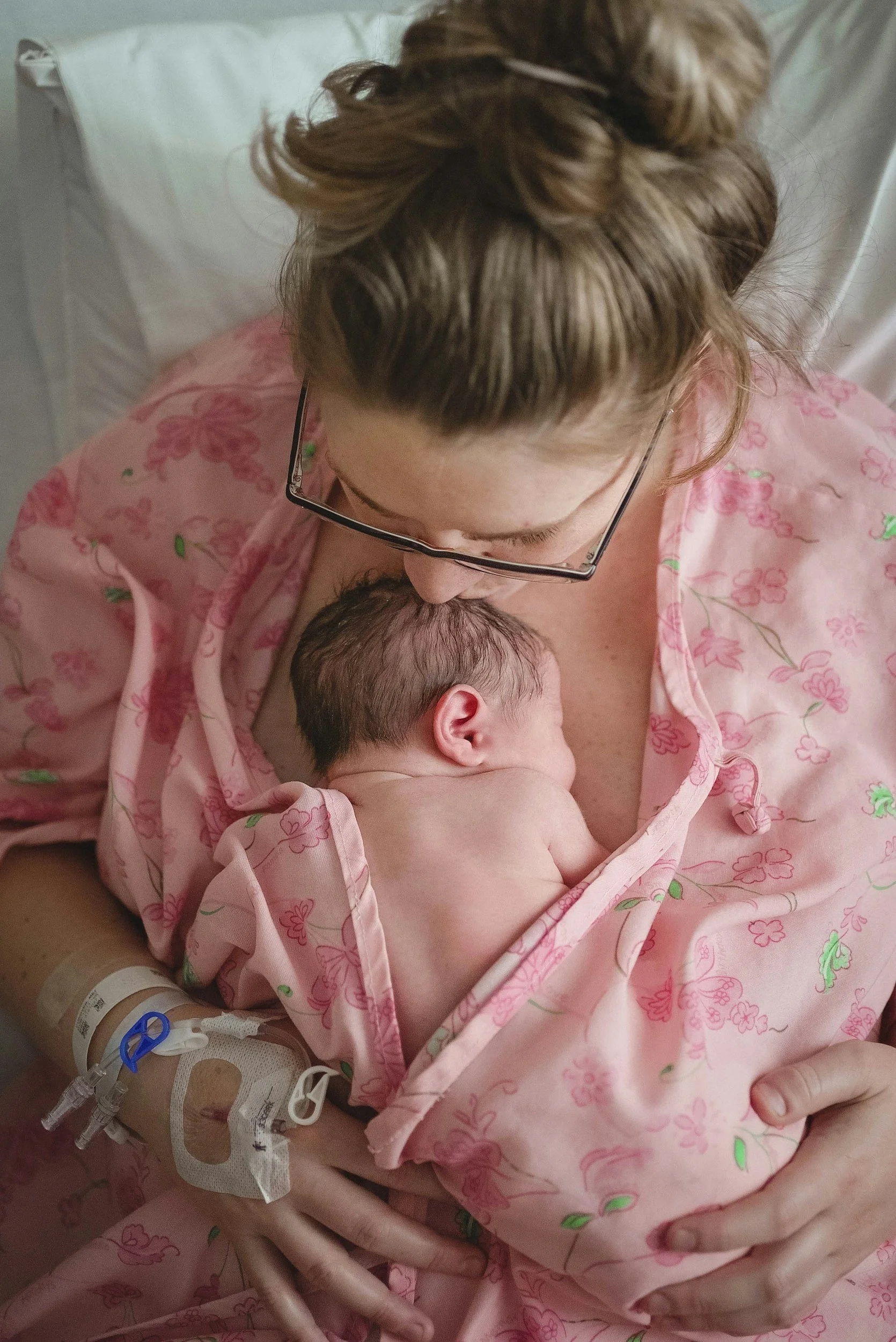
Postpartum Care
Bringing a baby into the world is an incredible experience, but the physical demands of pregnancy and childbirth don't simply disappear once your baby arrives. Whether you've had a vaginal or cesarean birth, your body has undergone tremendous changes, and recovery deserves time, attention, and support. Too often, new mothers are told that symptoms like bladder leakage, pelvic pressure, painful intercourse, or lingering discomfort are just part of having a baby. While these concerns are common, they aren't something you have to simply live with. Our pelvic health specialists are here to help you heal, rebuild strength, and reconnect with your body so you can feel comfortable, confident, and supported through every stage of postpartum recovery.
Common Postpartum Concerns We Treat
Pelvic Floor Weakness & Dysfunction — Urinary leakage, urgency, frequency, and difficulty controlling gas or stool.
Pelvic Pain & Discomfort — Pelvic girdle pain, tailbone pain, pelvic pressure, and pain with intercourse.
Core Weakness & Abdominal Separation — Diastasis recti, abdominal weakness, and difficulty reconnecting with your core.
Cesarean & Perineal Scar Recovery — Scar sensitivity, tissue restrictions, and discomfort following cesarean birth, tearing, or episiotomy.
Pelvic Organ Prolapse & Heaviness — Pelvic pressure, bulging sensations, and symptoms associated with pelvic organ support.
Postpartum Movement & Exercise Recovery — Back and hip pain, postural discomfort, and difficulty returning to exercise, running, or strength training.
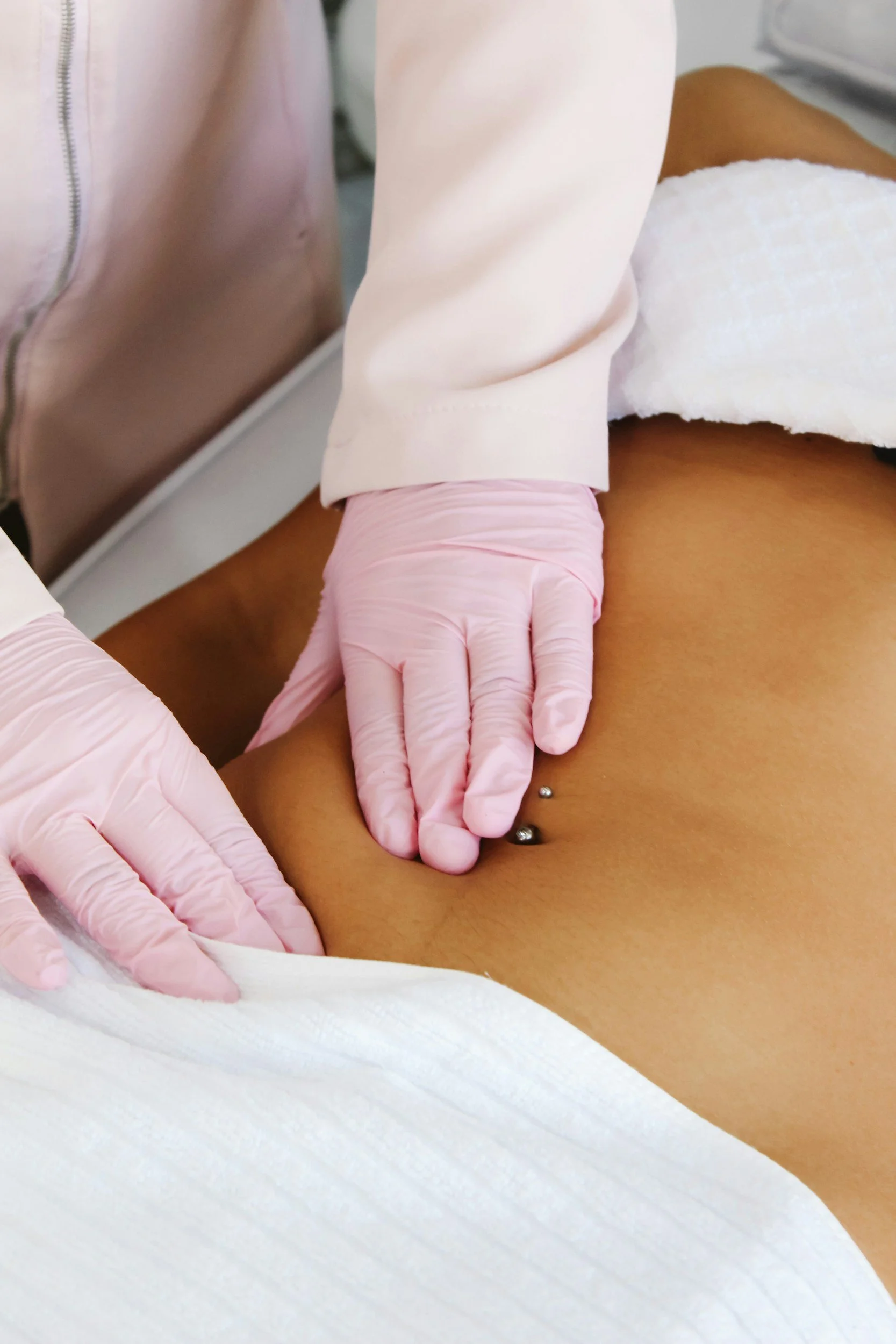
When Should I Start?
You don't have to wait six weeks to begin caring for your postpartum body!
While internal pelvic floor examinations and certain exercises may need to wait until your body has had more time to heal, there is so much we can address in the early postpartum period. Gentle movement, breathing mechanics, posture, body positioning, and strategies for feeding, lifting, and caring for your baby can all help support a more comfortable recovery.
Whether you're just days postpartum, six weeks into recovery, or several years beyond childbirth, it's never too early—or too late—to seek support. We'll meet you wherever you are in your healing journey.
When Does Postpartum Physical Therapy Include?
Pelvic Floor Assessment & Rehabilitation — Restoring strength, relaxation, coordination, and healthy pelvic floor function.
Core Recovery & Reconnection — Addressing abdominal separation, rebuilding core coordination, and improving pressure management.
Hands-On Therapy & Scar Mobilization — Gentle techniques to address muscle tension, tissue restrictions, and scar sensitivity.
Breathing, Posture & Body Mechanics — Supporting comfortable movement during feeding, lifting, carrying, and everyday activities.
Progressive Strength & Exercise — Rebuilding strength and stability with exercises that adapt to your recovery and goals.
Return to Running & Physical Activity — Assessing readiness and guiding a gradual, confident return to higher-impact exercise.
You Don't Have to Wait Until Something Feels Wrong
You don't have to be experiencing pain, bladder leakage, or other symptoms to benefit from postpartum physical therapy! Pregnancy and childbirth place significant demands on your core, pelvic floor, and entire body—even when recovery seems to be going smoothly. A postpartum assessment can help you better understand how your body is healing, reconnect with your core and pelvic floor, restore healthy breathing and movement patterns, and gradually rebuild strength. Whether your goal is to comfortably care for your baby, return to exercise, or simply feel more like yourself again, we're here to support your recovery every step of the way.

After your baby arrives, so much of your time and energy goes toward caring for someone else. It's easy to put your own needs on the back burner, but your recovery deserves attention, too. You don't have to wait until symptoms become overwhelming or until you've finished having children to prioritize your pelvic health. Taking care of yourself isn't taking away from caring for your baby—it's an important part of feeling strong, comfortable, and confident in this new chapter of life.